Outdoor Walking for Everyday Wellbeing
A short familiar route can be a useful change of pace. Plan around accessibility, weather and available time, then choose walking gear for comfort and practical use.

Reader transparency: we may earn a commission from clearly identified affiliate links. This guide offers practical considerations for your own decisions. How we are funded.

Choose an accessible route and a manageable outing before considering specialist gear.
Choose an outing you can actually repeat
An outdoor walk need not begin with a distant trail or a demanding distance. Start with a route near the places you already visit. A loop around a local park, a quieter street on the way home or a path beside a public building may fit more easily than a special weekend expedition.
Consider someone with a brief lunch break who keeps postponing walking because the preferred park is too far away. A short nearby route could be more practical. Check the time required to get outside and return, not just the walking time. Adapt the outing to your abilities and any professional advice you already follow. The goal is an accessible change of activity, not a comparison with another person's pace.
Keep benefits in perspective
The WHO physical activity guidance recognizes walking as physical activity and emphasizes that activity need not be all-or-nothing. A manageable amount can be a starting point. This does not mean a particular route, step count or pair of shoes guarantees a health outcome.
Think about what you enjoy in the outing: seeing trees, chatting with a friend, noticing neighborhood changes or taking a break from an indoor task. Enjoyment can be a practical reason to repeat it. You do not need to turn every walk into training data. If tracking distance makes the activity feel pressured, leave the tracker off and use a familiar landmark as your turning point instead.
Read the route before the product list
Look for surfaces, crossings, gradients, seating and access points that fit your needs. A route described as easy by someone else may still contain steps, uneven paving or busy roads. Check available local information and use direct observation where possible. Give yourself permission to turn back when conditions are unsuitable.
Plan for weather, daylight and local air-quality or other public advisories. A short familiar route can have several exits if you need to shorten the outing. For a new location, know how to return and consider whether someone should know your plan. Do not let a navigation app draw your attention away from crossings or your surroundings. Safe access matters more than completing a planned line on a map.
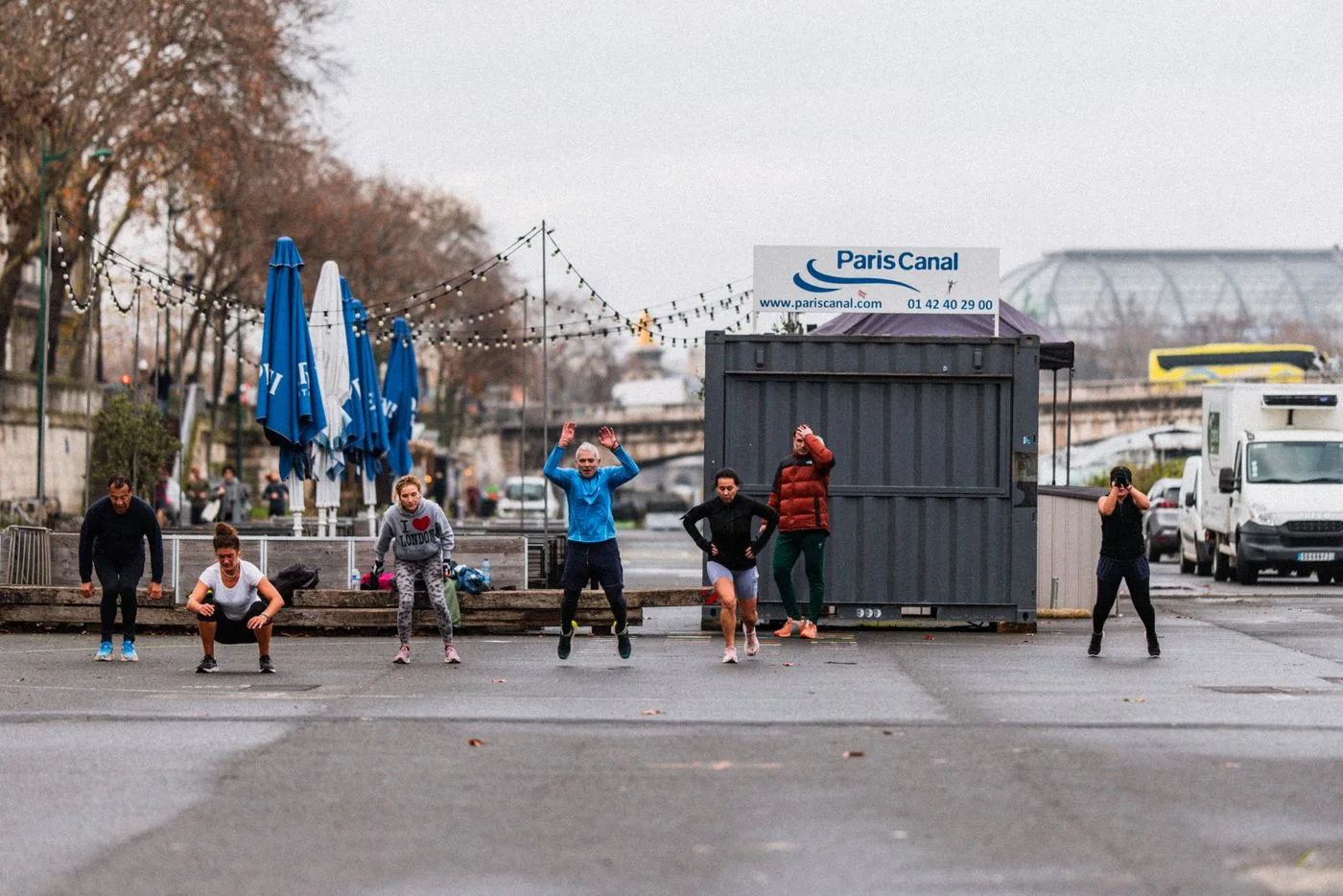
Choose clothing for the conditions
Wear footwear that fits comfortably and suits the surface. For an ordinary paved route, you may already own something suitable. Check for rubbing, unstable fit or worn areas before assuming that a specialist purchase is necessary. Clothing should allow comfortable movement and adapt to the expected conditions.
If shopping, compare fit, weight, care and return terms rather than treating technical names as proof of superiority. A jacket that is easy to carry may suit changeable weather, while a bulky garment can become inconvenient when conditions warm. Consider visible clothing where traffic and low light make visibility relevant. Product recommendations should explain the intended setting; equipment designed for a remote trail may be unnecessary for a short neighborhood outing.
Make a flexible walking plan
- Choose a familiar route with an easy return.
- Check conditions and available daylight.
- Allow time for preparation and getting back.
- Bring practical essentials appropriate to the outing.
- Use a shorter alternative when time is limited.
- Change the plan when conditions are unsuitable.
A friend can provide company, but agree on a pace and route that work for both people. Walking together should not mean one person struggling to keep up. The NIH emotional wellness toolkit includes enjoyable activities and social connection among its broad suggestions. An outing can support those preferences without becoming a treatment claim or another obligation on a crowded calendar.
Keep the route enjoyable by allowing occasional variation. A different turning point or a stop to notice seasonal changes can add interest without increasing the distance or buying equipment.
Buy only what improves the actual outing
A small bag, comfortable socks or a weather-appropriate layer may solve a clear practical issue. A large collection of accessories can create more preparation than the walk requires. Before buying, describe the problem: pockets are too small, the current socks rub or the jacket is difficult to carry. Then compare the relevant features.
Affiliate reviews should distinguish verified specifications from subjective comfort and avoid promising that equipment will transform wellbeing. Try familiar items first, keep purchases proportionate and check how you will clean or store them. If the weather or route prevents an outing, an alternative indoor activity is reasonable. A missed walk does not need to be repaid with an unusually long one. Keep the plan adaptable enough to remain welcome in everyday life.
Frequently asked questions
Do I need hiking boots for every walk?
No. Footwear should suit the surface, conditions and your comfort. An ordinary paved route may not require specialist equipment.
Must every walk reach a step target?
No. Start with a manageable outing and adapt to your abilities. A target is optional and should not override comfort or conditions.
Sources & further reading
Primary and authoritative references used for this guide. Consult the linked sources for current information and context.
Photography: cover source and article source, via Pexels.