Everyday Hydration Without the Hype
Hydration does not need an expensive bottle or a complicated schedule. Make drinking accessible, consider your day and compare products on the details that help you use them.

Reader transparency: we may earn a commission from clearly identified affiliate links. This guide offers practical considerations for your own decisions. How we are funded.
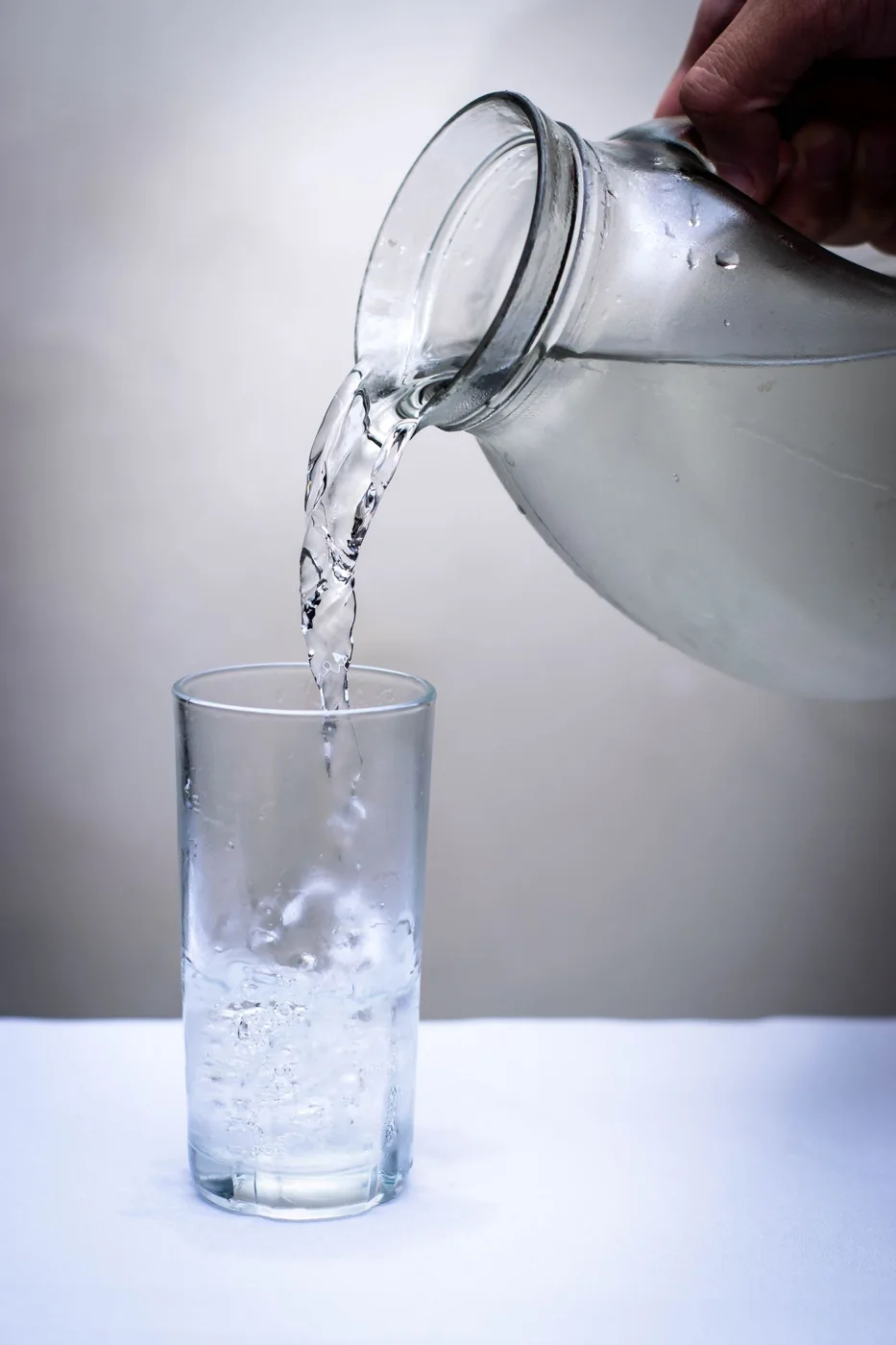
Choose accessible drinks and a bottle you can carry and clean comfortably.
Start with access
It is easy to forget a drink when the nearest kitchen is down a corridor or a bottle is buried in a bag. Before setting reminders, identify where access breaks down. You might need a glass beside lunch, a refillable bottle for the commute or a reminder to bring water into a long meeting. These are practical adjustments, not evidence that you need a specialized hydration system.
The NHS hydration guide treats daily fluid figures as guidance and notes that needs vary with circumstances such as heat and activity. Avoid turning a general guide into a compulsory contest. If a clinician has given you individual fluid instructions, follow those rather than a lifestyle article or a bottle's printed timetable.
Use existing moments
Choose moments that already occur: breakfast, leaving home, a meal break and returning from an outing. Put the drink where the moment happens. A glass stored beside the coffee cups may be more effective than an app that sends alerts while you are busy. You do not need to sip according to a rigid minute-by-minute schedule.
Imagine a commuter who buys a large drink every afternoon because the morning bottle stays in the car. A smaller bottle carried inside could fit better, even if it holds less. The relevant question is whether it travels with the person. Try the arrangement for several ordinary days before buying equipment. A successful routine should work on a workday as well as during a relaxed weekend at home.
Keep choices straightforward
Water is a simple option, while other beverages and some foods also contribute fluid. You do not need to replace every familiar drink with a branded wellness beverage. The CDC's healthier drinks information discusses water and practical alternatives to sugary drinks. Read the label when comparing packaged options rather than relying on words such as clean or natural.
If plain water is unappealing, consider whether you prefer it cool, room temperature or sparkling. A bottle that changes the taste unpleasantly may need cleaning or replacement. A flavored drink is a preference, not proof of an additional benefit. For ordinary use, skip products whose appeal depends on vague promises of cleansing, resetting or transforming your body.

Match the bottle to the setting
A desk bottle and a travel bottle may need different features. At a desk, a stable base and simple opening can matter more than insulation. In a bag, a secure lid and manageable weight become important. Check the actual filled weight, not just the empty product listing. An enormous container can be inconvenient to carry or lift.
Look at the neck width, removable seals and number of small parts. A straw lid may be convenient but require extra cleaning. Check whether the bottle fits the bag pocket, cup holder or shelf you intend to use. Compare replacement lids and care instructions before considering color. Decorative markings are optional; they are not personalized advice about how much you should drink.
Plan for cleaning
A bottle that is difficult to clean may spend more time waiting beside the sink than being used. Follow its care instructions, including whether individual parts are dishwasher-safe. Check how seals and straws are removed before purchasing. Allow parts to dry appropriately and replace damaged components according to the manufacturer's advice.
- Can your existing cleaning tools reach the inside?
- Are replacement lids available?
- Will it remain upright where you store it?
- Can you open it comfortably?
- Does its capacity fit your refill opportunities?
For a household sharing cupboard space, one easy-care bottle per person may be more useful than several fashionable designs. Expensive materials do not eliminate ordinary cleaning. Include the time required to maintain an item when comparing its convenience with something you already own.
Review before buying more
Check whether the change solved the original access problem. Did you bring the bottle inside, refill it when convenient and clean it without difficulty? If not, change its placement or the container rather than treating the issue as a failure of willpower. Keep the assessment focused on behavior you can observe.
When reading an affiliate guide, look for dimensions, lid details and clear commercial disclosure. A photograph of someone exercising does not establish that a bottle offers a physiological advantage. Special drinks and supplements are not required by this routine. If you are concerned about persistent unusual thirst or another ongoing symptom, seek individual medical advice instead of using a product comparison to explain it. A practical routine should reduce unnecessary decisions, not create anxiety about every sip.
Frequently asked questions
Does every drink need to be water?
Other drinks and some foods contribute fluid. Follow authoritative guidance and any individual instructions from your healthcare professional.
Is a bigger bottle better?
Only if it fits your routine. Weight, cleaning and access to refills matter alongside capacity.
Sources & further reading
Primary and authoritative references used for this guide. Consult the linked sources for current information and context.
Photography: cover source and article source, via Pexels.