Balanced Meal Planning for an Ordinary Busy Week
A meal plan should make the week easier, not fill every evening with cooking. Start with your calendar, build flexible combinations and buy only what you can realistically use.

Reader transparency: we may earn a commission from clearly identified affiliate links. This guide offers practical considerations for your own decisions. How we are funded.
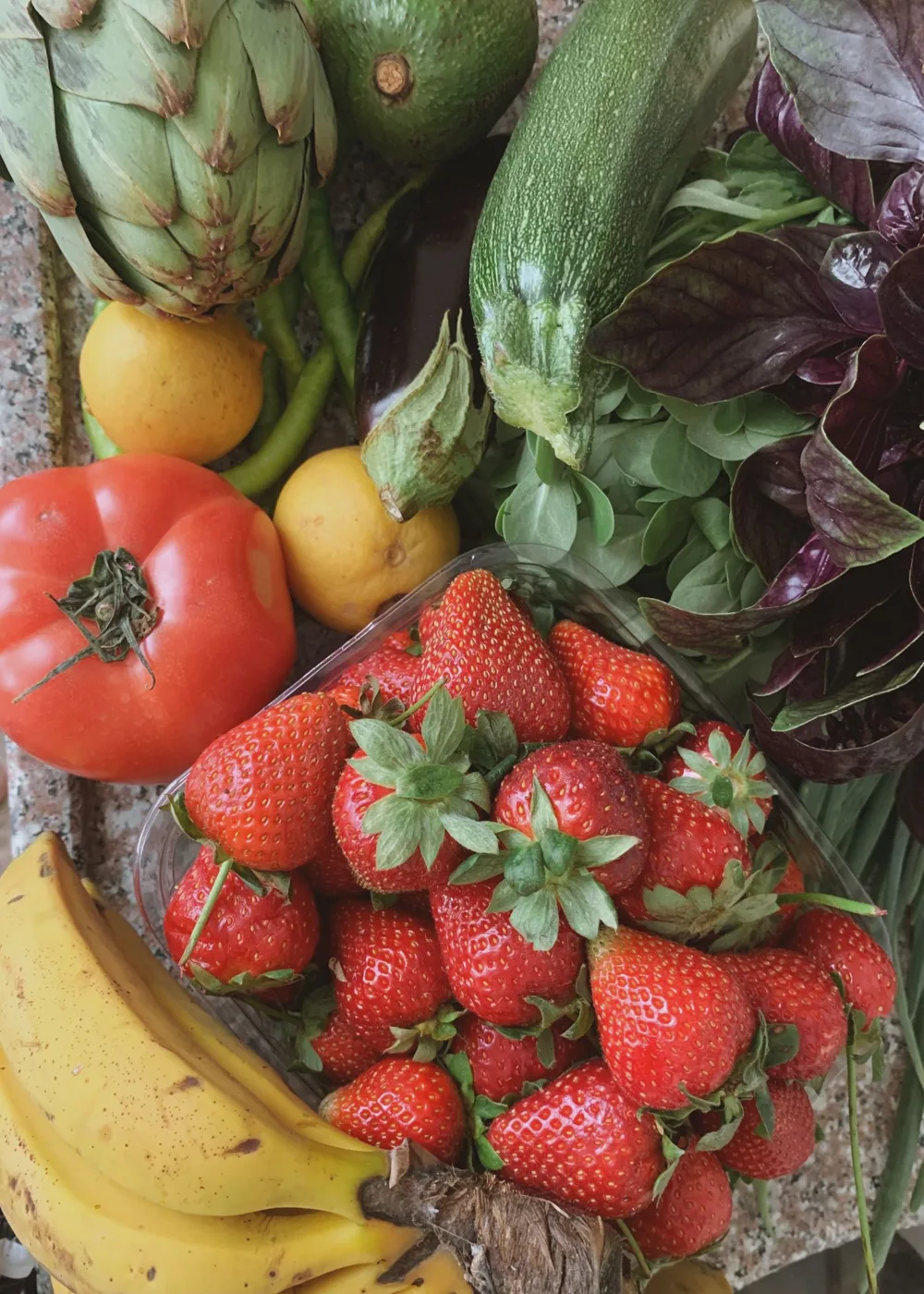
Plan flexible meals and useful backups before filling the shopping basket.
Count the meals you actually need
A beautiful seven-day plan can be a poor fit for a week with late meetings, visiting relatives and lunches already arranged. Start by marking the meals you actually need to provide. Note which evenings allow cooking and which need something simple. Planning for an imaginary quiet week often creates unused ingredients and unnecessary expense.
A household with three busy evenings might choose two main cooking sessions, a few assembled meals and a freezer backup. That is a plan, even without a new recipe every day. Ask the people who will eat the meals what they enjoy and what they can help prepare. A familiar dish that gets eaten is more useful than an ambitious recipe nobody wants after a long day.
Use flexible combinations
The NHS Eatwell Guide describes balance across food groups and the overall diet, rather than perfection in every individual meal. Use it as a broad reference while building combinations you recognize. A starchy food, vegetables and a protein food can create many meals depending on preference and culture.
Write several options for each role instead of one compulsory recipe. Rice can accompany beans one evening and vegetables another. Frozen produce can be useful when fresh ingredients are unlikely to be used promptly. Individual dietary needs, allergies and medical instructions may require another approach; a general framework should accommodate them. There is no need to label familiar foods as morally good or bad when planning ordinary family meals.
Give ingredients multiple jobs
Before adding an ingredient to the list, identify where it will be used. A bag of greens may serve several meals, but a delicate ingredient needed for one garnish may become waste. This does not mean every purchase must be perfectly efficient. Notice whether a recipe introduces several things you would not otherwise use.
Picture someone cooking alone who finds a recipe intended for six. They could reduce quantities, plan suitable portions for later or choose a smaller recipe. What matters is having a realistic storage and use plan. Follow food-specific storage, preparation and reheating instructions; meal planning does not make leftovers last indefinitely. Label stored food so the contents and date are obvious to everyone using the kitchen, including someone who did not prepare it.
Use convenience deliberately
Pre-cut produce, frozen ingredients, canned foods and prepared components can reduce work on a busy evening. Compare them on what they save you, cost and whether you will use the full quantity. A convenience item can sometimes prevent a meal plan from being abandoned, while a cheaper bulk pack can cost more if much of it is discarded.
Read nutrition information on comparable products. The FDA label guide explains why serving information matters on US labels. Compare equivalent quantities rather than different manufacturer portions. Ingredient and allergen information matters too. Packaging designed to look wholesome should not replace reading details relevant to your household. Keep taste and preparation effort in the comparison so the choice remains realistic.
Compare subscriptions carefully
A meal kit may reduce recipe selection but still requires time, equipment and cleanup. Check portions, delivery windows, recurring charges and the deadline for skipping a box. Compare its ongoing cost with meals you would otherwise prepare, not only restaurant prices. Keep trial discounts separate from the normal price.
- Do recipes fit your available cooking time?
- Will ingredients fit in your fridge?
- Are allergens and substitutions explained?
- Can you pause or cancel easily?
- Will reusable containers fit your shelves?
For containers, buy around the food you pack. Matching lids and stackable shapes often matter more than a large assorted set. A container does not need a wellness label to be useful. Check cleaning instructions and suitability for its intended use before comparing decorative details.
Leave room for changes
Build a backup meal from ingredients you can keep available and prepare without much thought. It might combine familiar cupboard and frozen foods. The point is reducing decisions after a tiring day. Keep one meal slot flexible so an invitation or schedule change does not disrupt everything.
At the end of the week, look at what was eaten, what took too long and what remains. Adjust the next list using those observations. Affiliate recommendations should support this process with clear features and costs, rather than claiming that a subscription or appliance will transform your diet. The best plan is one your household can afford, enjoy and revise. Repeated meals are welcome when they simplify life; variety can develop gradually without rebuilding the entire kitchen routine.
Frequently asked questions
Must each meal match a perfect diagram?
No. General guides concern the overall pattern of eating. Use them flexibly alongside personal needs and professional advice.
Do I need a meal kit?
No. A list and familiar recipes can work well. Compare a subscription only if it solves a specific problem.
Sources & further reading
Primary and authoritative references used for this guide. Consult the linked sources for current information and context.
Photography: cover source and article source, via Pexels.