Managing Everyday Stress Without Another Complicated Routine
An overflowing day rarely needs another demanding checklist. Identify what is creating pressure, choose one manageable response and compare paid tools only after trying a simpler approach.

Reader transparency: we may earn a commission from clearly identified affiliate links. This guide offers practical considerations for your own decisions. How we are funded.

Reduce one practical pressure and choose support that fits your situation.
Name the pressure precisely
Stress can feel like one enormous problem when several ordinary pressures arrive together. Write down what is happening in concrete terms: the deadline moved, the commute took longer or three people need an answer tonight. Naming the pieces does not make them disappear, but it can make the next practical decision clearer.
For example, someone preparing for a busy week might discover that uncertainty about transport is taking more attention than the work itself. Checking the route and preparing an alternative may be more useful than adding a complicated relaxation routine. This article concerns everyday organization and general wellbeing. It does not diagnose a condition or promise that a particular habit will remove difficult feelings.
Separate tasks from expectations
Make a short distinction between what must happen today, what can wait and what requires someone else's answer. Avoid giving every task equal urgency. If another person controls a deadline, ask for clarification rather than silently assuming the most demanding interpretation. A written agreement can reduce repeated uncertainty.
The NIH stress checklist includes setting priorities and seeking social support. Those ideas can be very practical: tell a colleague which of two requests you can finish first, or ask a household member to take one specific task. Support is easier to offer when the request is clear. You do not need to present a perfectly organized explanation before asking.
Make a pause that belongs to you
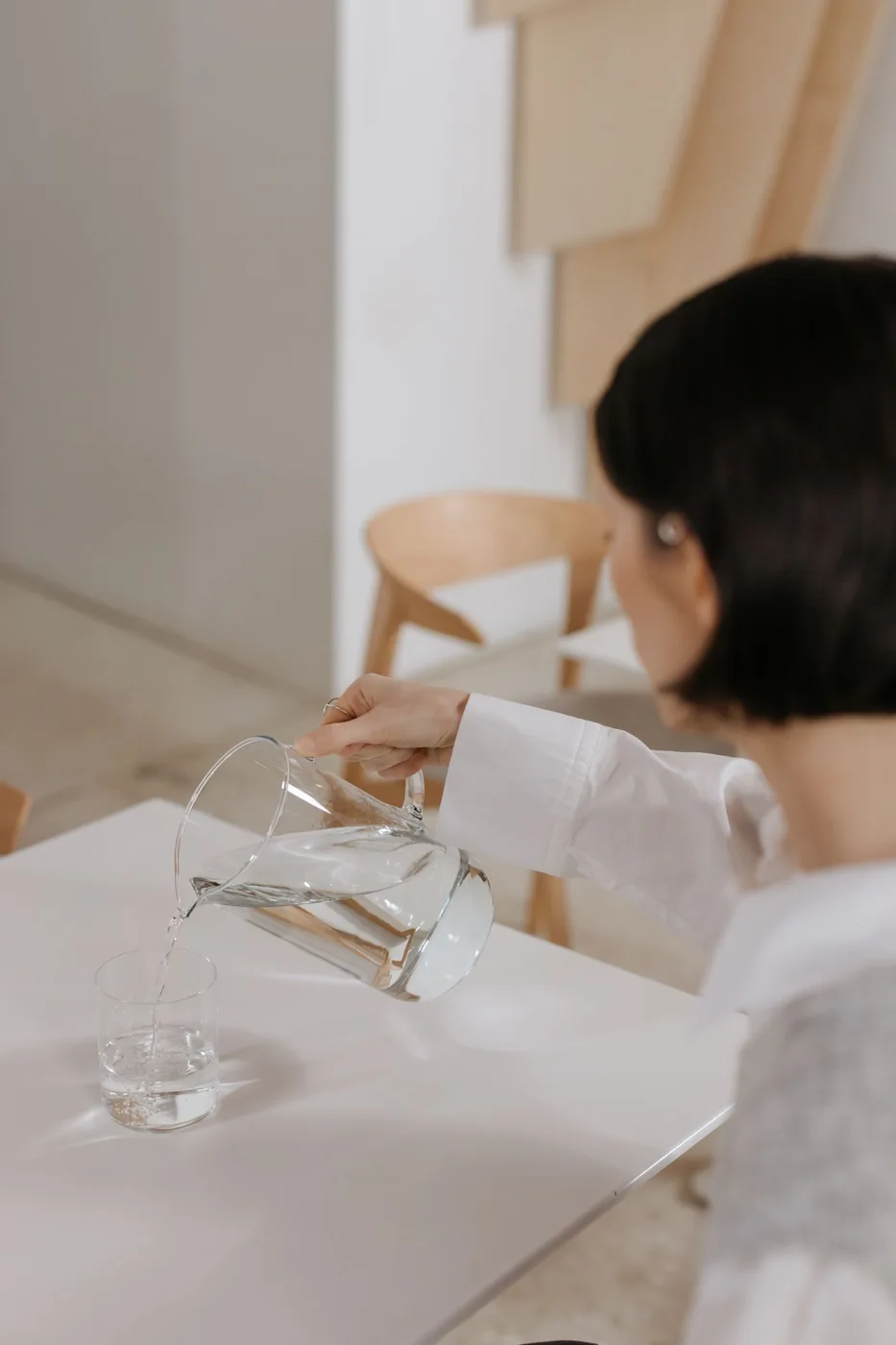
A pause might mean sitting quietly with a drink, stepping outside briefly, listening to a familiar piece of music or doing a simple enjoyable activity. Choose something that feels accessible rather than selecting it because it appears in a fashionable wellness routine. There is no requirement to turn the pause into a measurable achievement.
Consider a parent whose free time comes in unpredictable fragments. A long uninterrupted ritual may create more frustration than relief. Keeping a book or a small craft nearby could offer an easier option. The useful question is whether the activity gives a change of pace. If it becomes another item you feel guilty about missing, shorten it or choose something else.
Protect ordinary sources of support
Meals, rest, movement and contact with people you trust can be crowded out when a schedule becomes difficult. Check what has quietly disappeared. You might arrange a simple lunch rather than working through it, or send a specific invitation to a friend instead of waiting until you feel fully available.
The NIH emotional wellness toolkit describes several broad approaches, including social connection and time for enjoyable activities. These are options rather than a compulsory program. Circumstances differ, and not everyone has the same resources. Start with one reachable change and avoid comparing your response with polished accounts of someone else's daily life.
Compare paid tools with free alternatives
A journal, guided-audio subscription or planning app may be useful, but first identify the job you want it to do. A notebook can hold a task list without an account. A calendar can reserve a break without a premium plan. Paying for a tool does not establish that it will help.
- Is the purpose specific and understandable?
- Can you try the format before subscribing?
- Are renewal and cancellation terms clear?
- What personal information does it collect?
- Does it make unrealistic promises?
An affiliate review should distinguish the author's preferences from evidence. Be cautious when ordinary accessories are marketed as solutions to persistent emotional difficulties, or when a countdown encourages a rushed purchase.
Keep a separate place for tasks that belong to another day. Revisiting them repeatedly can make tonight's list feel larger than it is. Decide when you will look at that list again, so setting something aside remains a practical scheduling choice rather than pretending it does not exist.
Review with kindness and proportion
At the end of a demanding day, note what you managed and what needs a different arrangement tomorrow. An unfinished list is not a verdict on your character. Some pressures require a practical change in workload, money, housing or support; a personal routine cannot solve every structural problem.
If distress continues, becomes difficult to manage or interferes with daily life, seek support from a qualified professional. You do not need to exhaust every app before asking. Keep useful tools modest: one clear priority, one feasible pause and one person or service you can approach. Revise the plan when circumstances change. The aim is making the day more workable, not proving that you can stay calm through every demand placed upon you.
Frequently asked questions
Do I need a meditation subscription?
No. A simple enjoyable pause or free planning tool may suit you. Paid tools are optional, and none guarantees an outcome.
What if practical changes are not enough?
Seek support from a qualified professional when distress persists or affects daily life. A lifestyle routine does not replace individual care.
Sources & further reading
Primary and authoritative references used for this guide. Consult the linked sources for current information and context.
Photography: cover source and article source, via Pexels.