Warm-Up and Cool-Down: Give Your Session a Clear Beginning and End
Preparation and a gradual finish belong inside your exercise appointment. Learn how to make both practical, match them to the activity and avoid rushing into unfamiliar effort.

Reader transparency: we may earn a commission from clearly identified affiliate links. This guide offers practical considerations for your own decisions. How we are funded.
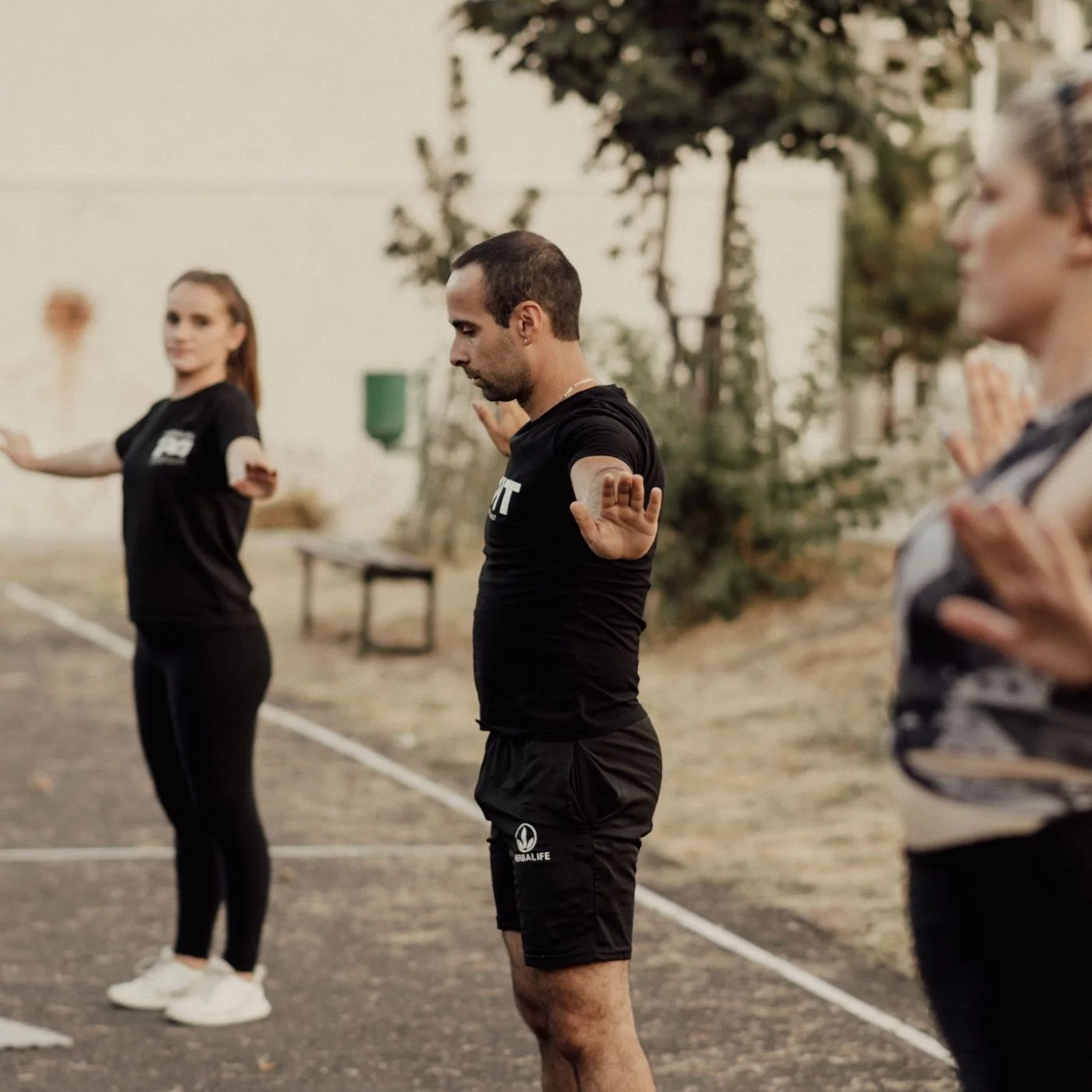
Prepare gradually for the activity ahead and allow an unhurried transition afterward.
Count the whole appointment
When the calendar allows twenty minutes for exercise, assigning every minute to the main activity leaves preparation and the finish competing with the next commitment. Think of the session as one block with a beginning, middle and end. The plan should fit the time genuinely available, including any equipment setup.
Imagine joining an online class after its opening sequence. Catching up immediately means copying movements before understanding them. Arriving earlier or previewing the recording permits a deliberate start. If time is short, shorten the main activity rather than treating preparation as expendable. A routine that always runs late is harder to repeat. Keep the next appointment realistic too, allowing time to put equipment away and change clothing if needed.
Match preparation to the activity
The NHS provides a general warm-up using gentle movement before more demanding exercise. The useful principle is gradual preparation. For walking, that may involve an easier opening pace. In resistance work, an instructor may include rehearsal with little or no added resistance. Follow guidance suitable for the activity you have selected.
A warm-up from another sport does not automatically suit every session. Consider the movements ahead and the programme's instructions. If preparation itself feels too demanding, seek an adaptation or choose a more manageable option. It should help you approach the task clearly, not exhaust you first. Avoid using the warm-up as a competition with another participant. Different people may need different ranges, positions and amounts of preparation even within the same class.
Use the opening as a check-in
Notice how movement feels today rather than relying on last week's experience. Check clothes, footwear, space and equipment while effort remains easy. A slipping mat or awkward screen is simpler to address before pace increases. Make adjustments while stationary rather than reaching for objects mid-movement.
This is an opportunity to reassess the planned activity. An unusually tiring day or crowded room may change the sensible choice. You need not force a written plan. Pain or concerning symptoms call for stopping and suitable advice, not a longer preparation sequence intended to push through them. If you repeatedly need to modify a particular activity, ask for guidance about its suitability rather than assuming more elaborate preparation will solve the underlying difficulty.

A preparation checklist
- Preview unfamiliar activity before starting.
- Clear the movement area and inspect equipment.
- Begin with manageable movement and easy effort.
- Rehearse unfamiliar actions with appropriate guidance.
- Adjust the main session if a problem appears.
- Reserve time for a gradual finish.
This is a planning aid rather than a prescription for duration or intensity. A class may supply its own sequence, and individual exercise advice takes priority. If an online routine omits preparation, decide how to approach it before pressing play. Check whether the recording includes modifications you can understand. Being able to pause and review is useful; a continuous stream does not oblige you to maintain the presenter's pace when that pace does not fit your circumstances.
Finish with a transition
A cool-down moves gradually away from the main effort. The NHS offers a guided cool-down with suitability information readers should check. Depending on the activity, easier movement or a slower pace may form part of the finish. Follow relevant instructions rather than adding unrelated exercises because they are available.
Do not turn the final minutes into proof that the session was difficult enough. An extra burst motivated by guilt changes the plan instead of completing it. If stretching is included, use controlled, comfortable positions and appropriate guidance. Avoid forcing a range to match a presenter. A screen cannot assess your technique. If getting to the floor or standing again is difficult, choose suitable adaptations instead of treating those transitions as an unavoidable part of every finish.
Choose guidance before accessories
You do not need a collection of rollers, bands or special garments to organize a session's beginning and end. Start with clear instructions and adequate time. Accessories should solve a specific need within an understood routine rather than replace learning.
When comparing paid classes or affiliate-linked equipment, check for preparation, adaptations and a clear finish. These may matter more than dramatic promotional clips. Note what helped you feel ready and made the transition afterward easier. A familiar sequence can reduce decisions while allowing adjustment to the activity and the day. If buying an accessory, establish its purpose, instructions and storage needs. A product advertised for recovery does not automatically belong in a cool-down, and its marketing should not be treated as evidence of guaranteed benefits.
Frequently asked questions
Does warming up guarantee no injuries?
No. It is one part of sensible preparation alongside suitable activity, technique, progression and equipment.
Must the cool-down be another workout?
No. It should provide a gradual transition appropriate to the activity and your circumstances.
Sources & further reading
Primary and authoritative references used for this guide. Consult the linked sources for current information and context.
Photography: cover source and article source, via Pexels.