Strength Training Basics: Learn the Movement Before Adding More
Strength work begins with learning, not collecting equipment. Understand the role of resistance, how to organize a simple session and what to ask before buying your first weights.

Reader transparency: we may earn a commission from clearly identified affiliate links. This guide offers practical considerations for your own decisions. How we are funded.
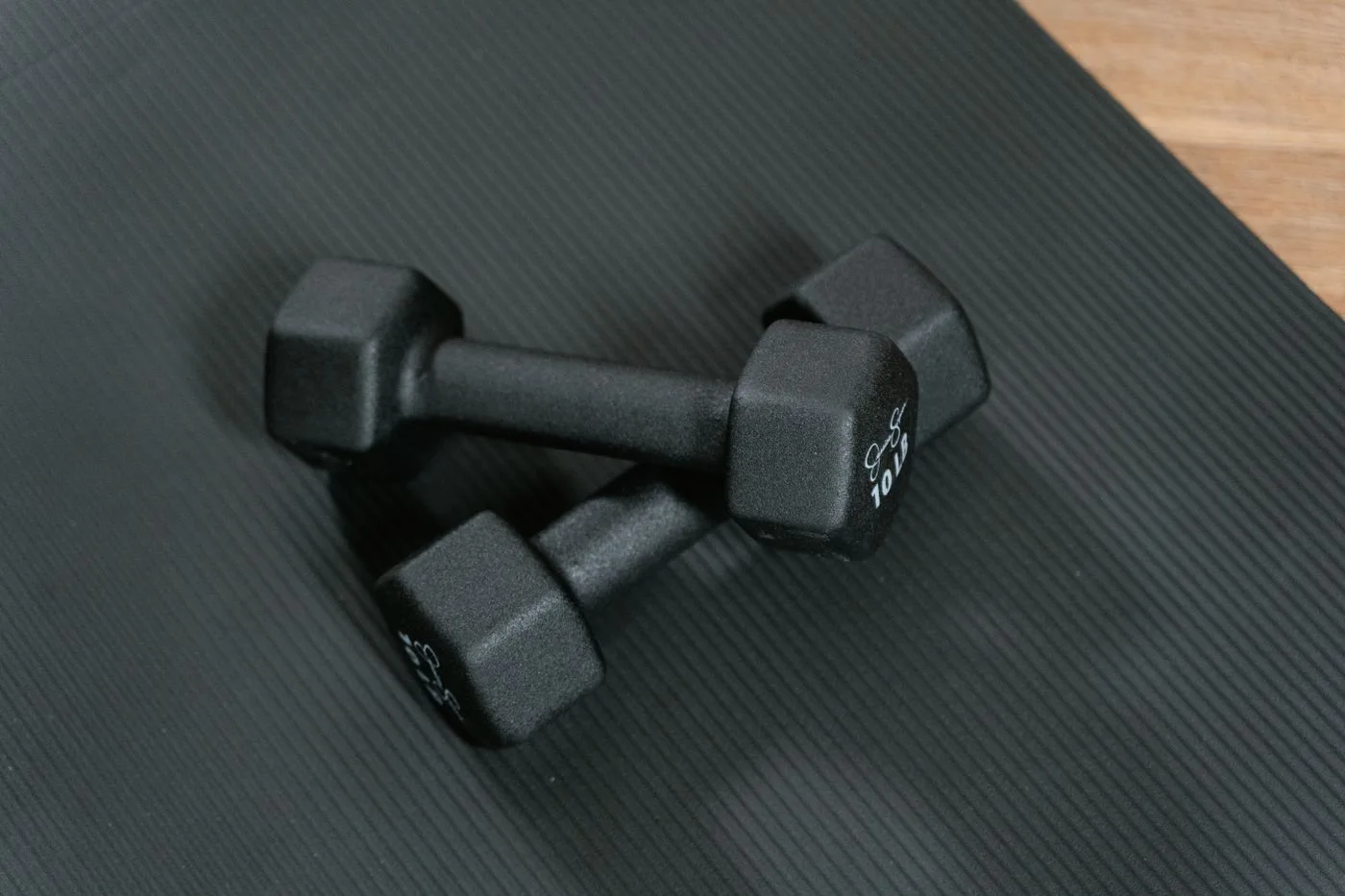
Learn controllable movements, choose manageable resistance and allow recovery between demanding sessions.
Understand what resistance means
Strength exercise asks muscles to work against resistance. That resistance may come from your body, a band, a machine or a handheld weight. The NHS describes strength activity as work that makes muscles do more than usual. Equipment creates the task; it does not rank how serious a participant is.
A beginner might learn a supported movement without added weight while another prefers an adjustable machine with instruction. Both require attention to position and control. Start by identifying what you want to understand, such as a basic pushing movement, rather than deciding that a fashionable piece of equipment must be used. Learning the vocabulary can help you ask useful questions, but knowing an exercise name is different from knowing how to perform it appropriately.
Make the first session a learning appointment
Consider an introductory session with a suitably qualified instructor. Explain your experience, available time and relevant limitations. Ask to see the movement from useful angles and practise it with manageable resistance. Knowing how to set up and stop matters as much as knowing how to begin.
Write down the exercise name and setup details in plain language. A list of unexplained abbreviations is difficult to repeat at home. Ask which sensations represent expected effort and what should prompt you to stop. General articles cannot assess an individual's movement, injury or symptoms. Personalized questions deserve suitable guidance rather than a copied routine. If a class moves too quickly for questions, an introductory appointment or a smaller group may be a better learning environment than repeatedly trying to catch up.
Keep the session understandable
A small selection of understood movements is more useful than a long circuit you cannot remember. Allow time to set up, move deliberately and rest. Pauses provide an opportunity to recover and check the next exercise. Breathe normally rather than holding your breath to force a difficult repetition.
A learner with twenty available minutes might spend some of that time rehearsing positions instead of filling every minute with effort. This is a planning scenario, not a prescribed workout. The session should finish while decisions remain clear enough to put equipment away safely and record what was learned. If an exercise requires a complicated setup, practise that setup separately. It is reasonable to spend an early appointment understanding adjustments, safety catches and where equipment belongs afterward.
Check before adding resistance
| Question | Next step |
|---|---|
| Can I explain the setup? | Review instructions if unclear. |
| Can I control the movement? | Keep resistance manageable. |
| Am I changing several things? | Adjust one feature at a time. |
| Does anything hurt? | Stop and seek suitable guidance. |
Progression need not mean buying heavier equipment immediately. More confident setup and clearer understanding are meaningful early improvements. If movement changes substantially when resistance increases, return to an option you can control and ask for feedback. A training note can record the equipment setting and what needs clarification. It should not become a scoreboard that makes you feel obliged to increase every number at every session.
Give recovery a place in the calendar
A plan needs room between demanding work. NIH safety guidance advises against exercising the same muscle group on consecutive days. The practical point is to consider what the previous session involved before selecting another demanding activity.
Imagine a class introducing unfamiliar lower-body exercises. Booking a similar class the next morning because it is discounted may not fit your recovery needs. Ask an instructor how to space your sessions. Lighter everyday movement may fit between them when comfortable, but rest does not need replacing with another task to count as productive. Review the whole week, including physically demanding work and other activities. If your schedule changes, move a session rather than compressing every planned workout into consecutive days merely to preserve a calendar streak.
Buy equipment after identifying the need
Decide where equipment will live, how it will be adjusted and whether you understand its intended use. Compare clear load markings, handle comfort, storage footprint and instructions. For adjustable weights, check the locking mechanism and manufacturer guidance instead of assuming every design works identically.
An affiliate buying guide should distinguish published specifications from hands-on observations. A starter set is useful only when its range suits the movements you intend to perform. Borrowing suitable equipment or delaying a purchase can help clarify your needs. Consider transport and storage as well as the advertised range: a versatile set is inconvenient if you cannot move or store it safely. The purchase should make a familiar activity easier to repeat, rather than introduce another unfamiliar challenge before the basic movement is understood.
Frequently asked questions
Are weights essential?
No. Resistance may come from body weight, bands or equipment. Suitability depends on the movement, your ability and the guidance you need.
Should soreness be the goal?
No. Soreness is not a reliable score of session quality. Prioritize control and seek guidance when pain or symptoms concern you.
Sources & further reading
Primary and authoritative references used for this guide. Consult the linked sources for current information and context.
Photography: cover source and article source, via Pexels.