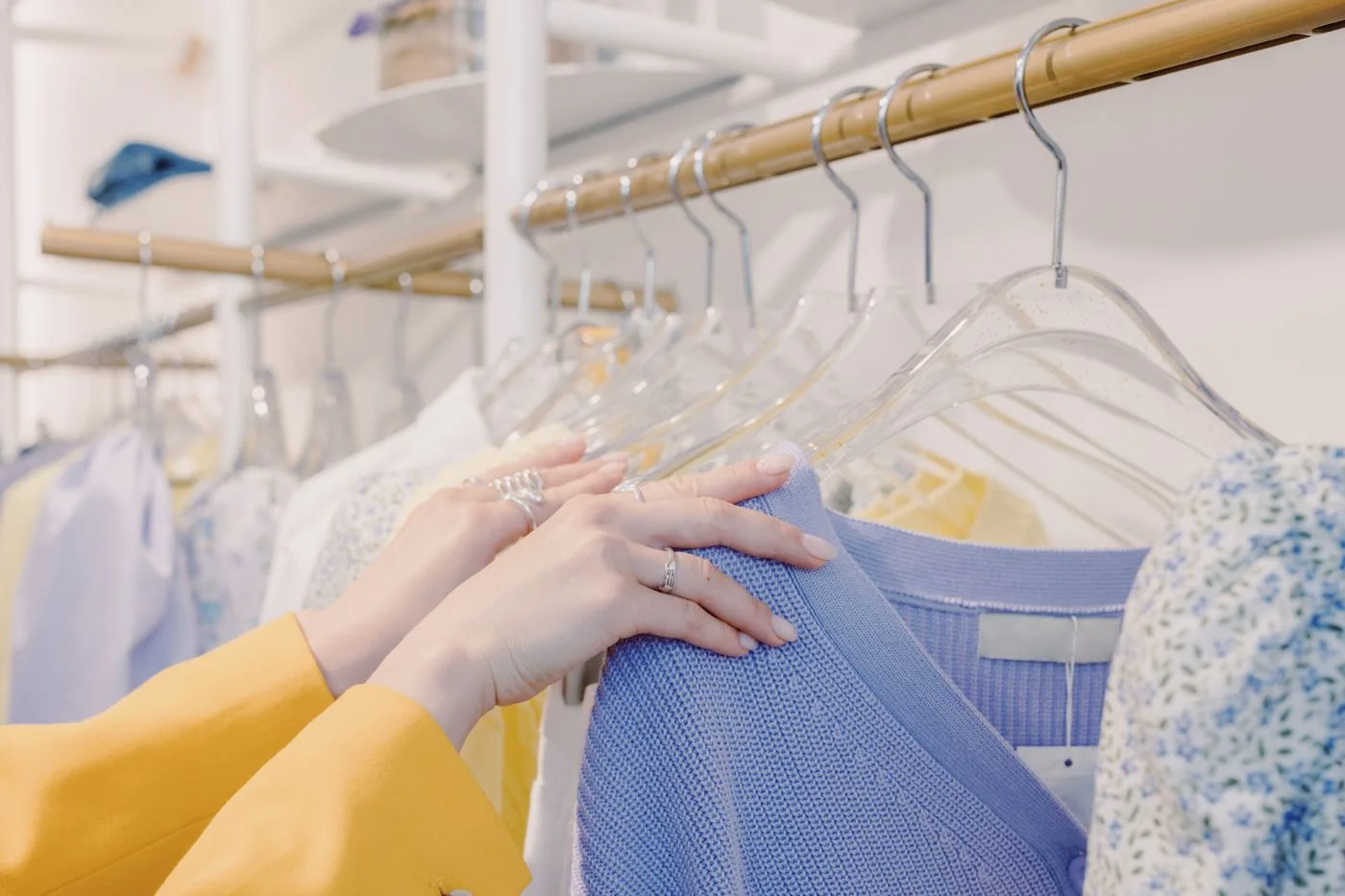
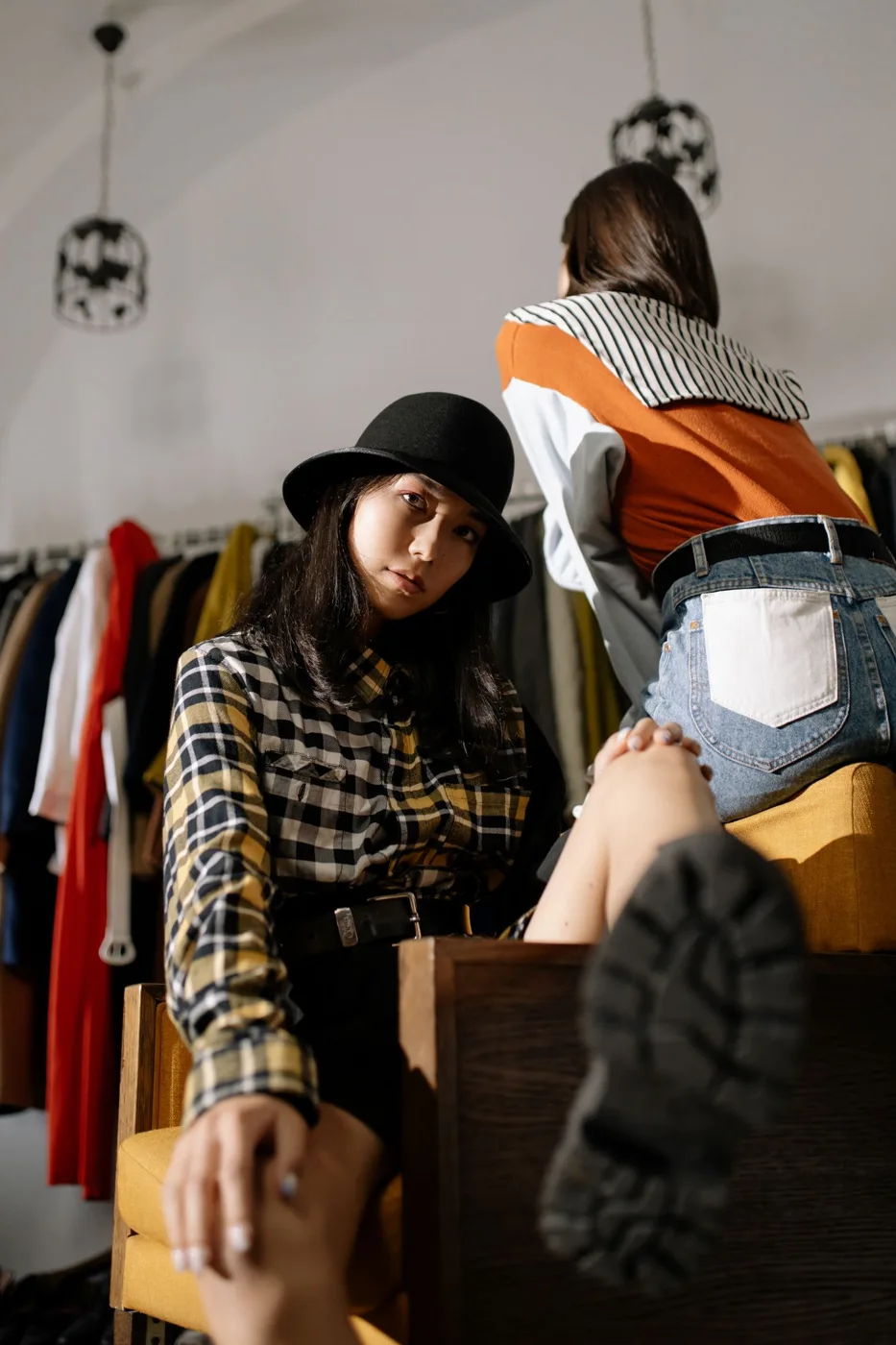
Natural or Synthetic Fabric? Assess the Whole Garment
Fibre content is a starting point rather than a quality score. Compare the garment's lining, texture, coverage and cleaning needs before deciding what belongs in your wardrobe.

Reader transparency: we may earn a commission from clearly identified affiliate links. This guide offers practical considerations for your own decisions. How we are funded.
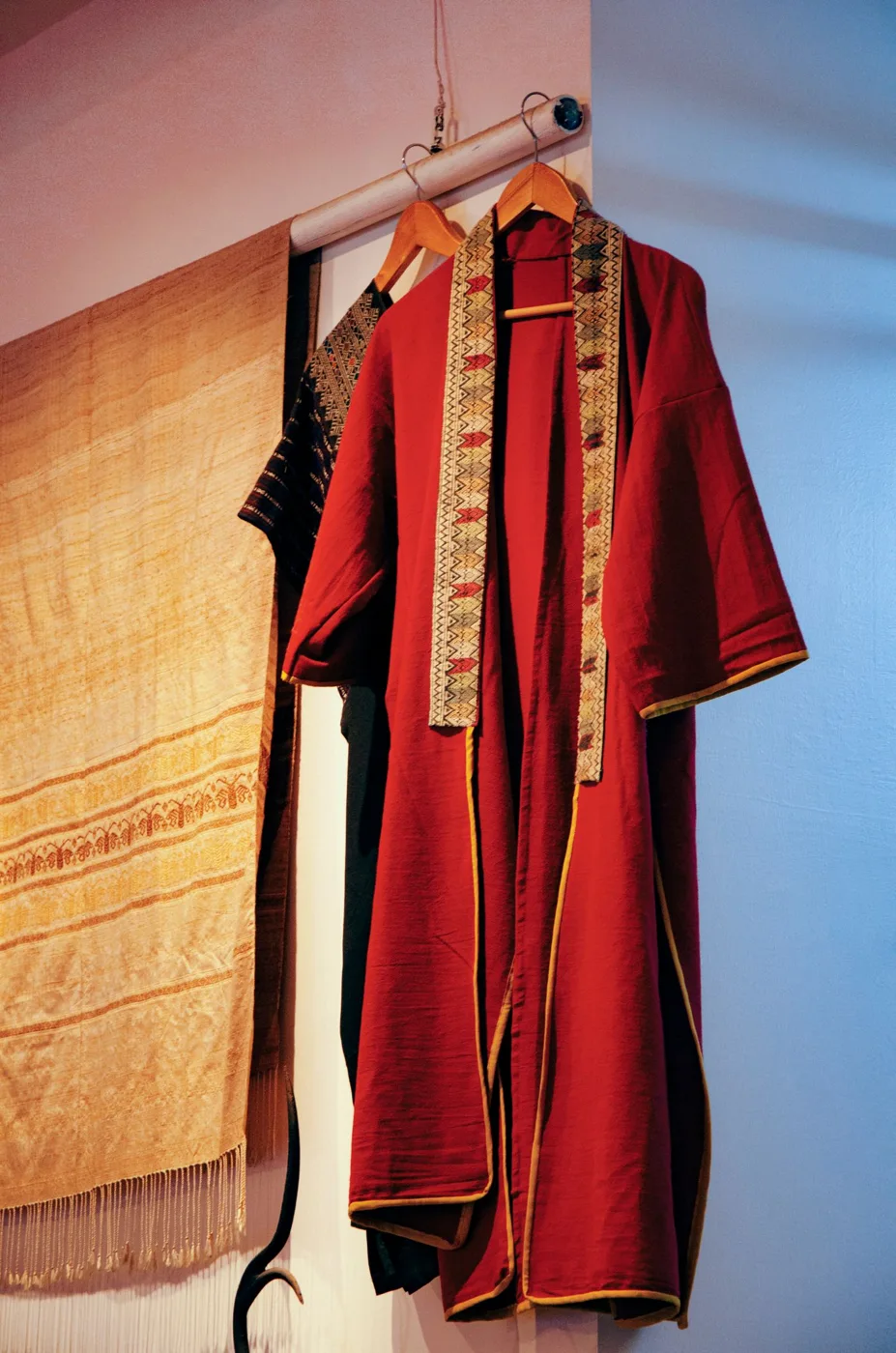
A shirt for a warm office, trousers for a train journey and a layer for an outdoor walk ask different things from fabric.
Begin with the garment's job
A shirt for a warm office, trousers for a train journey and a layer for an outdoor walk ask different things from fabric. Describe the situation first. Consider how the material feels against skin, how much movement you need and how you plan to clean it. A useful choice begins with these needs rather than a competition between fibre categories.
Two garments with the same composition can feel different because of construction, weight, finishing and lining. A material preference can narrow your search, but it should not replace inspection of the finished piece. You do not need to declare every natural fabric superior to every synthetic fabric, or the reverse, to make a thoughtful purchase.
Read the complete composition
Look for fibre percentages and check whether they refer to the main fabric, lining or another component. The FTC explains that most textile and wool products sold in the United States carry fibre-content information. A name such as silky or linen-look describes appearance; it does not necessarily establish the actual material.
A jacket may have a wool-blend exterior and a different lining. If the lining feels uncomfortable, the outer composition cannot settle that issue. Ask the retailer for missing details rather than inferring them from the price. Blends are not automatically inferior. The useful question is whether the finished garment meets your preferences and whether its description gives you enough information to decide.
Inspect the structure and surface
Hold the fabric against ordinary light to assess coverage. Compare it against a contrasting underlayer when opacity matters. Feel the inside seams and notice whether the surface catches on jewellery you usually wear. Move the garment gently rather than pulling it aggressively; the purpose is to assess normal use without damaging something you may return.
Compare a crisp shirt with a soft blouse in the same colour. One may provide the shape you want under a jacket; another may tuck more comfortably without excess volume. Neither must win every category. When shopping online, look for close photographs of the fabric and ask about the inside construction if seams or lining are important to you.
Use a useful comparison checklist
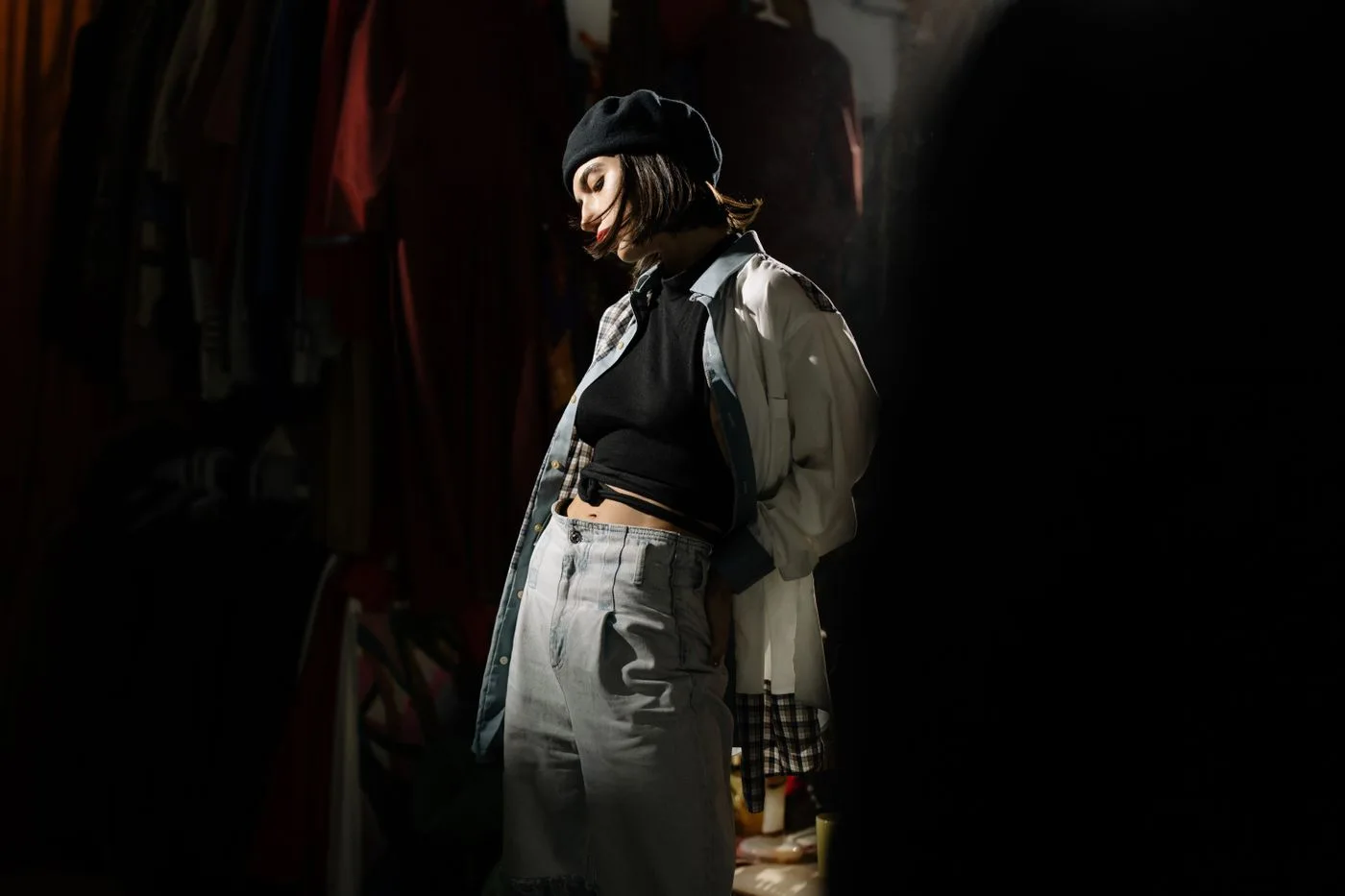
Check composition, coverage, movement, surface feel and care. Ask whether special performance claims are defined and supported. If the seller calls a fabric premium, identify what feature makes it relevant to your needs. A marketing adjective alone does not explain how the garment will behave in your wardrobe.
Consider two cream trousers with the same ticket price. One requires an extra underlayer to provide the coverage you prefer; the other feels comfortable as worn. Include the cost and inconvenience of that extra layer when comparing them. Similarly, a top requiring an unfamiliar cleaning method may create more work than expected. Follow the whole outfit through an ordinary day rather than stopping at the label.
Keep environmental claims specific
Natural, recycled and plant-based are not complete assessments of a garment's environmental impact. Look for the precise claim, its scope and supporting information. Avoid treating a single material description as proof that one entire product has a smaller footprint. Where the evidence is incomplete, it is reasonable to leave the comparison unresolved.
Cleaning is a separate question. Consult the actual care label, which concerns the finished garment rather than just its headline fibre. A lining, decoration or structured component can change the required routine. Decide whether you can follow that routine before purchasing. You can choose something practical and appealing without claiming certainty about manufacturing details that the seller has not disclosed.
Choose suitability over a material ideal
Create a short brief such as a soft, opaque top that fits beneath an existing cardigan and can be cared for at home. Compare candidates against it and identify meaningful tradeoffs. One person may prefer a heavier fabric while another values a lighter layer. Your experience of texture matters even when a review describes the same material differently.
Look for product comparisons that discuss limitations alongside benefits. Rankings based entirely on fibre percentages leave fit, construction and comfort unanswered. Keep receipts and follow return conditions during your initial assessment. If you remain uncertain, pause before buying several colours. One considered purchase gives you better information about your preferences than a collection of speculative additions made at the same time.
Write down the care requirements alongside your comparison so they remain part of the final buying decision.
Frequently asked questions
Does natural fibre guarantee quality?
No. Evaluate your actual needs, the garment and the routine it must fit.
Can I use the same care routine for every similar fabric?
Follow the complete care instructions for each finished garment.
Sources & further reading
Primary and authoritative references used for this guide. Consult the linked sources for current information and context.
Photography: cover source and article source, via Pexels.