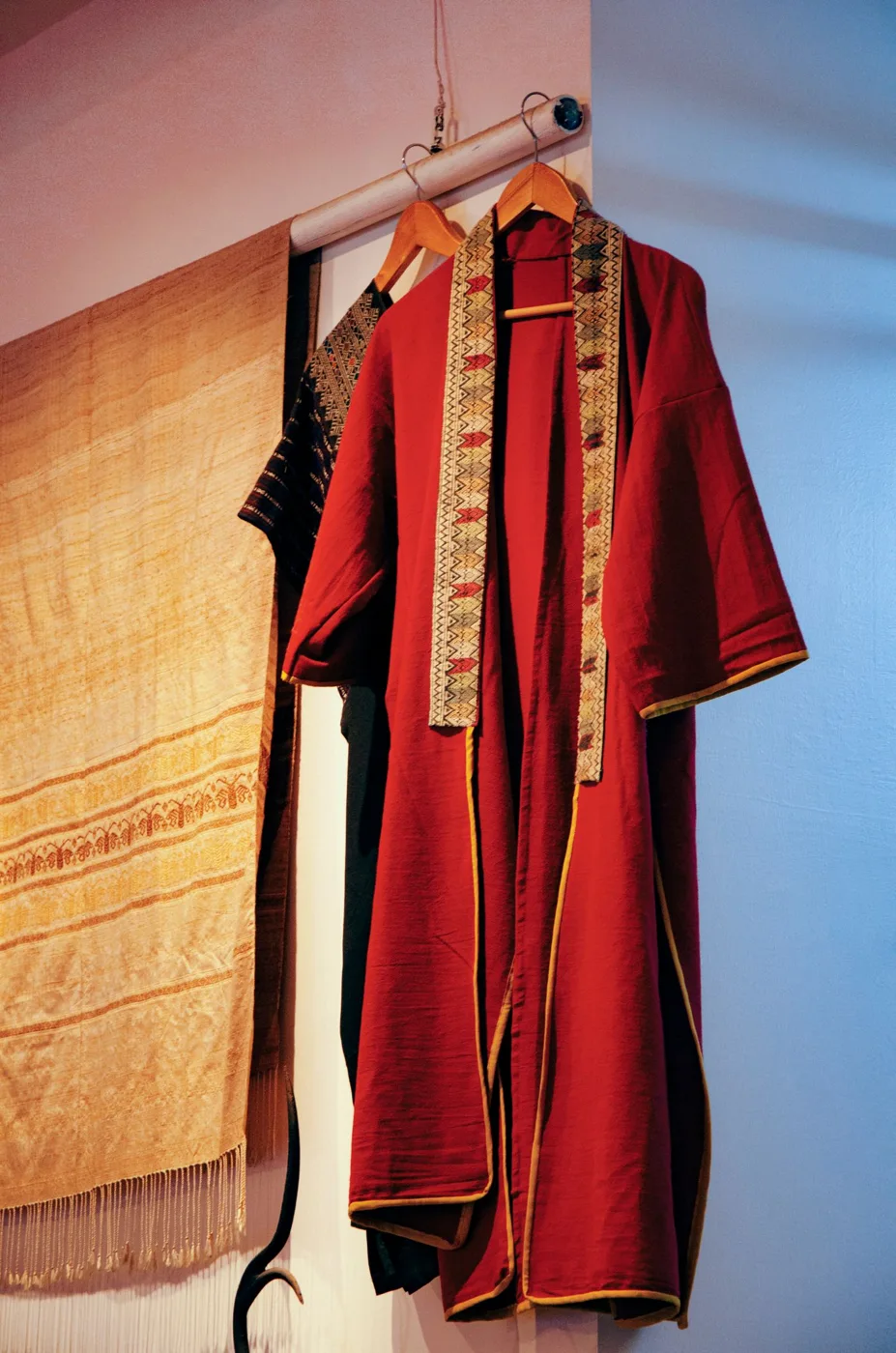
Everyday Layering Without Unnecessary Bulk
Layering works when every piece has a purpose. Test complete outfits, plan what happens when a layer comes off and buy only what solves a specific daily problem.

Reader transparency: we may earn a commission from clearly identified affiliate links. This guide offers practical considerations for your own decisions. How we are funded.

Give each layer a purpose and try the complete outfit while moving.
Plan the transitions in your day
A cool departure, warm train and chilly office can make one heavy outfit inconvenient. Think about the transitions rather than dressing for a single moment. Note where you will spend time, how much walking you expect and which layers you can remove or carry. The forecast is one input; your activity and indoor environment matter as well.
REI's outdoor layering guide distinguishes base, insulating and outer layers by function. That framework can help organise everyday choices, but ordinary city clothing is not automatically equivalent to specialist equipment. This article concerns daily outfits rather than extreme-weather protection. For a demanding outdoor activity, consult guidance appropriate to the conditions instead of relying on a fashion combination that happens to look similar.
Choose a base outfit you like
Start with clothes you are happy to wear when the other layers come off. Check the neckline, sleeve length and coverage with the trousers or skirt you intend to use. If you dislike the base outfit, you may keep an unnecessary layer on just to avoid showing it. That undermines the flexibility you wanted.
Move naturally while trying the base. A top that constantly rides up can be more irritating under two additional garments. Consider a different length or cut if needed. Begin with a reliable piece you already own rather than buying a collection of basics. One comfortable top can provide a useful foundation for several combinations when its proportions work with your existing layers.
Allow space through shoulders and sleeves
Stacking several fitted sleeves can make a roomy outfit feel restrictive. Try the shirt under the cardigan and both inside the coat. Reach forward as if holding a bag, then bend your elbows. If fabric bunches around the upper arm, try a slimmer inner sleeve or a roomier outer cut rather than forcing the combination.
A fine knit may fit beneath a tailored jacket while a chunky one does not. That does not make the chunky knit a bad purchase; it may belong with a different outer layer. When shopping for a coat, wear the thickest realistic combination you expect underneath it. Assessing the coat over a thin T-shirt answers a different fit question.

Check lengths, openings and pockets
Try different hem arrangements deliberately. A longer shirt beneath a short cardigan can be appealing, while tucking the shirt may produce another useful option. Look at the side and back as well as the front. There is no compulsory proportion: choose the arrangement that feels comfortable and matches your taste.
Use this checklist: close the outer layer without compressing the outfit; locate every pocket; reach and sit; remove one layer easily; and work out where you will carry it. A cardigan that looks excellent standing still may be inconvenient if its sleeves tangle whenever you take it off. Practical details often determine whether a combination becomes something you genuinely repeat during an ordinary week.
Compare two everyday scenarios
For desk work with a short walk outside, begin with an indoor outfit and add a suitable removable outer layer. An opening cardigan may be easier to adjust than another pullover. Try the outfit with your work bag because straps can catch on a loose knit or make a bulky shoulder uncomfortable. Check whether the pockets remain reachable.
For an afternoon between shops and cafés, consider something easy to remove and carry. A scarf, jacket or cardigan may provide the adjustment you want without three extra pieces. Avoid buying specialist clothing because it appears in a packing list for a different activity. Your best solution may already be in the wardrobe, needing only a different combination to work well.
Shop for the missing function
Describe the actual gap before browsing: your coat cannot fit over a favourite jumper, or you need a removable layer with usable pockets. Compare candidates against that job. Read care instructions too. The FTC's care-label guidance provides context for the cleaning information attached to covered garments; the actual label remains the relevant reference for each purchase.
Outfit photographs can inspire combinations but do not show how they feel during your day. Use editorial recommendations to identify features and cuts, then perform a realistic fitting within the seller's terms. Avoid buying several near-identical layers before testing one complete outfit. A few compatible pieces are more useful than a larger collection that cannot comfortably share the same sleeves, shoulders and storage space.
Frequently asked questions
Do I need three layers every day?
No. Choose layers for the activity, conditions and adjustments you need.
Should every outer layer be a size larger?
Not automatically. Assess the actual cut over your intended clothing.
Sources & further reading
Primary and authoritative references used for this guide. Consult the linked sources for current information and context.
Photography: cover source and article source, via Pexels.