Gym Clothing for Beginners: Choose for Movement and Comfort
The right workout outfit is one you can move in and care for easily. Check fit in action, prioritize the activity and buy only what solves a practical problem.

Reader transparency: we may earn a commission from clearly identified affiliate links. This guide offers practical considerations for your own decisions. How we are funded.
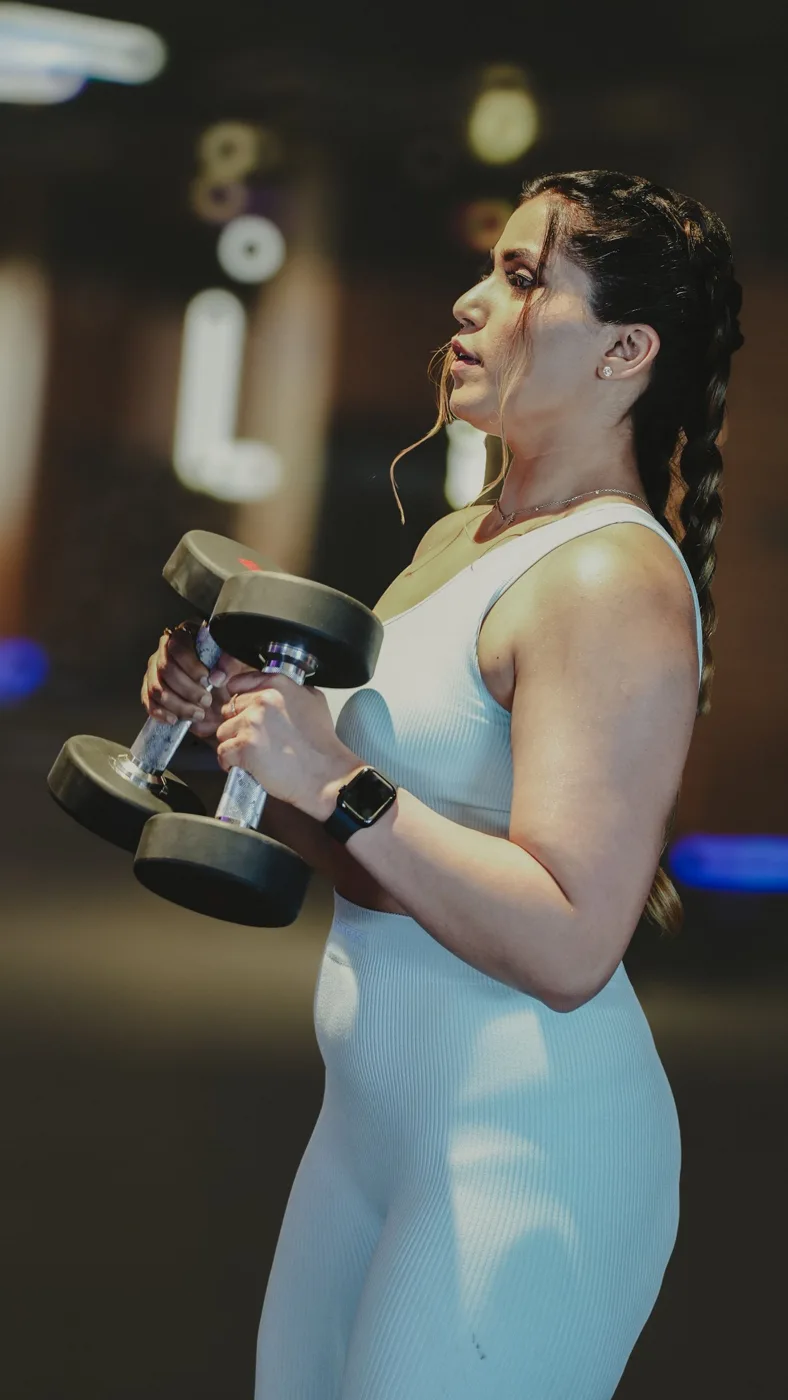
Test clothing through intended movements and build a small rotation around comfort and care.
Dress for the planned session
A gym wardrobe begins with the activities you expect to do. Indoor cycling, floor exercises and walking place different demands on clothing. Consider movement range, equipment contact, temperature and whether loose fabric could interfere. The question is what will help you participate comfortably, not what looks most convincing in a photograph.
Someone attending an introductory class after work may need only a comfortable top and secure bottoms. Buying a coordinated collection beforehand can leave clothes unsuited to the routine they enjoy. MedlinePlus recommends choosing clothing and shoes appropriate to activity. Treat this as a functional decision. Check the facility's practical requirements as well: some spaces have footwear rules, while others ask participants to bring a layer for the less active parts of a session.
Test fit while moving
Standing in a mirror offers limited information. Try ordinary movements relevant to the activity: sit, reach overhead, bend comfortably and take several steps. Notice seams rubbing, a waistband rolling or fabric restricting the arms. A comfortable standing fit may change considerably when sitting on the floor.
For fitted bottoms, check coverage under normal lighting while bending. For loose clothes, examine hems or ties that could catch equipment. The aim is freedom to concentrate without repeated adjustments. If ordering online, compare garment measurements with an item that already fits well. Size labels vary, and customer comments about fit are subjective. Keep packaging until you have assessed the permitted fitting conditions and returns policy rather than assuming every worn garment can be returned.
Balance fabric and care
Composition labels help, but do not fully predict comfort. Consider thickness, seams, stretch recovery and feel against the skin. Moisture-management claims may be relevant, yet your preferences and the garment's construction still matter. One fabric does not solve every temperature or activity requirement.
Read washing instructions before buying several pieces. If the care routine is unrealistic, the garment may be impractical. Consider drying space and turnaround between sessions. A small easy-care rotation can be more useful than a large collection awaiting special washing. Technical marketing language does not make changing or cleaning unnecessary. Look for clear instructions about temperature, drying and fabric treatments, then decide whether those requirements fit the laundry arrangements you already use rather than a more elaborate routine you hope to establish.
A fitting-room checklist
| Check | Observe |
|---|---|
| Reach and bend | Freedom without pulling. |
| Waist and straps | Security without uncomfortable pressure. |
| Seams and labels | Possible rubbing points. |
| Pockets | Secure contents without excessive movement. |
| Care label | Manageable washing and drying. |
If the activity calls for a supportive bra, assess fit and intended support separately from appearance. A garment suitable for one person or movement may not suit another. Consider how layers work together, including whether a jacket restricts a top that was comfortable alone. A useful outfit should function during arrival, activity and departure without requiring an entirely separate wardrobe for each stage.
Give shoes a separate decision
Footwear should suit the activity and surface rather than simply match the outfit. Try shoes with the socks or prescribed inserts you use. A familiar size does not guarantee familiar fit, so assess heel security and adequate room. Do not ignore discomfort because a model receives enthusiastic reviews.
Ask an instructor or facility whether the activity needs specific footwear. One style should not be assumed suitable for every sport. HealthLink BC's clothing guidance emphasizes comfort and fit. You need not replace every pair immediately, but identify when existing shoes are worn or unsuitable. Compare return conditions and intended use before buying. If a guide recommends a shoe without explaining which activities it serves, the recommendation lacks information needed for a useful decision.
Build the rotation through experience
After several sessions, notice what you reach for and what creates inconvenience. Perhaps a top works but cannot dry overnight, or a light layer makes the journey home easier. Buy in response to those observations instead of constructing a wardrobe around every possible future activity.
An affiliate guide should clarify whether recommendations reflect specifications, fit observations or testing. Bestseller status cannot answer your sizing question. Compare measurements before discount deadlines and keep a note of what fits. A useful wardrobe supports participation quietly; it does not require replacing comfortable clothing whenever a collection changes. Set a purchase budget around real gaps, and consider whether one versatile item solves several of them. Keeping a reliable garment in use is often a more practical decision than adding another similar option.
Frequently asked questions
Do I need specialist clothing?
Not always. Existing comfortable clothes may work when they allow movement and suit the environment.
Is expensive fabric always better?
No. Fit, construction, intended activity and care requirements matter more than a price label alone.
Sources & further reading
Primary and authoritative references used for this guide. Consult the linked sources for current information and context.
Photography: cover source and article source, via Pexels.