Activewear Fit: Choose Clothes That Let You Focus on Moving
Good activewear should stay out of your way. Assess clothing during the movements you intend to do, and choose practical features before paying for unfamiliar performance claims.

Reader transparency: we may earn a commission from clearly identified affiliate links. This guide offers practical considerations for your own decisions. How we are funded.
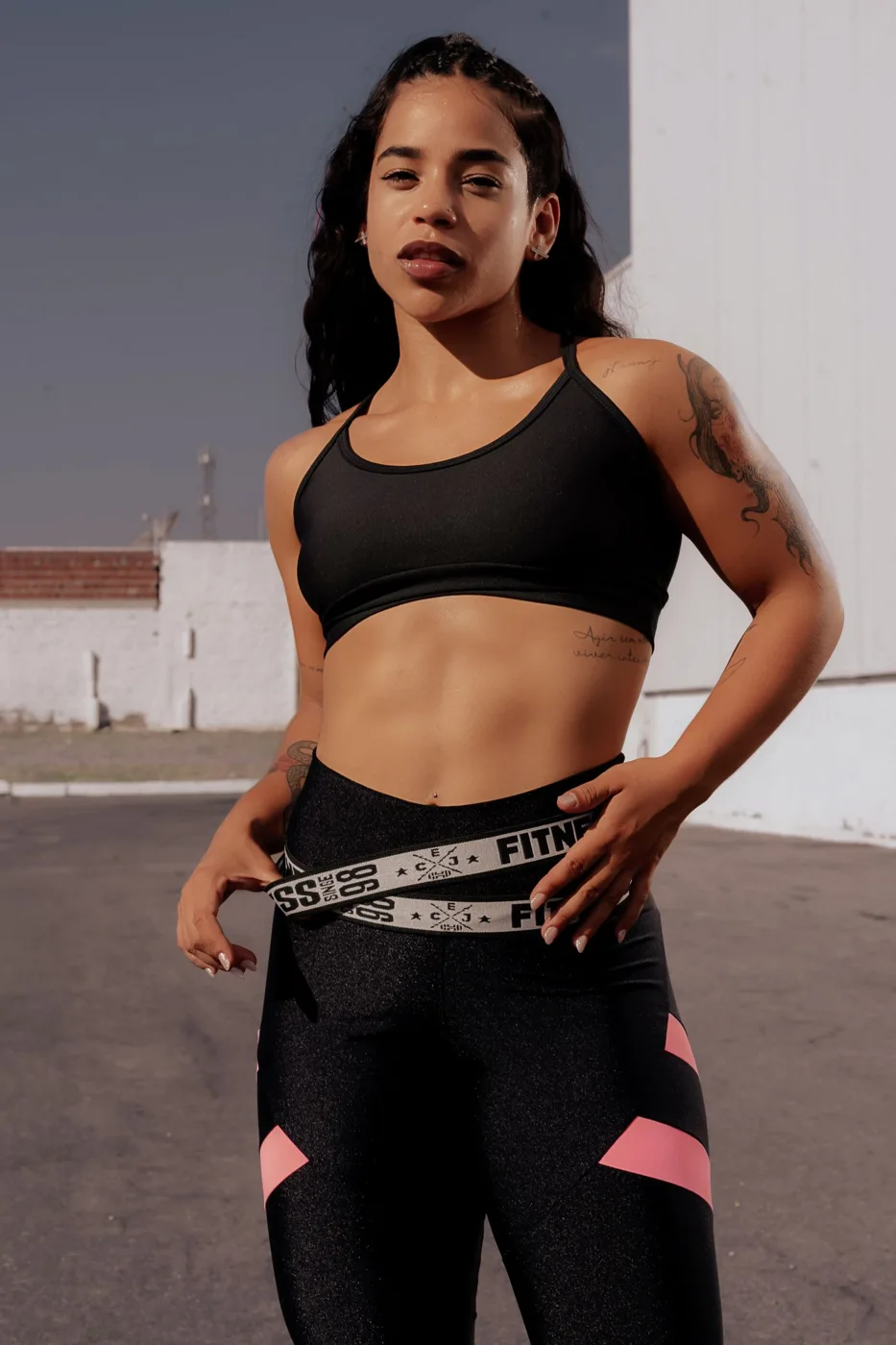
Choose fit and features for the activity you actually intend to do.
Start with activity and setting
A gentle indoor class, an outdoor walk and a gym session can involve different clothing preferences. Consider the movement, temperature, equipment and amount of adjustment you want to avoid. Start with suitable comfortable clothes you already own. Beginning a routine does not automatically require buying a complete matching outfit.
Identify one or two problems a purchase should solve: a waistband needs constant pulling, a top catches on equipment or there is nowhere for a key. Specific problems make comparison easier. This guide discusses fit and practical clothing features. It does not claim that particular clothes improve performance, prevent injury or change your body. Those promises should not be inferred from a garment's sporty appearance.
Read the relevant chart
Use the size information attached to the exact product. Nike's women's bottoms chart identifies its values as body measurements, illustrating why chart headings matter. Body circumferences and finished-garment measurements are different references. Follow the specific instructions instead of applying a single rule across every brand, collection and style.
Check length and rise options when available. If a waistband fits but the legs are much too long, another proportion may be more useful than changing the whole size. Do not choose a smaller size simply because you assume activewear should feel highly compressed. Intended fit varies. Your comfort and ability to move normally are valid parts of the assessment, regardless of what the label or model photograph suggests.
Rehearse normal movement gently
Within the seller's try-on conditions, walk, sit, reach and use comfortable versions of movements you expect to perform. A strenuous workout is unnecessary to notice a rolling waistband or restrictive sleeve. Stop if anything hurts. Clothing suitability should not require ignoring discomfort or proving that you can tolerate it.
Assess coverage in ordinary light and from more than one angle. Fabric may look different when stretched across a bent knee than when hanging straight. Use the undergarments you plan to wear if practical. A promotional photograph cannot establish opacity for every size, colour and movement. Evaluate the version in front of you without damaging it or exceeding the conditions under which it can still be returned.
Try features with your actual belongings
Use this checklist: waistband stays comfortable; seams do not feel scratchy; hems behave as you prefer; closures are easy to operate; pockets hold what you need; and coverage remains comfortable during movement. None of these questions requires a fashionable matching set or an unusually long list of technical features.
Place your phone in the intended pocket and take a gentle indoor walk. Notice whether its weight pulls the garment down or makes it swing awkwardly. A separate small bag may be a better solution. If you carry only a key, a large pocket might be unnecessary. Judge features by the task they perform for you, rather than counting them as automatic evidence that one garment is superior.
Question vague performance language
Terms such as supportive, technical and premium need context. Look for a specific feature and a clear explanation of its intended use. Avoid paying extra for a claim you cannot connect to an actual preference or problem. Clothing can be pleasant and useful without promising a measurable improvement in performance.
Read composition and construction information together. One person may value a softer surface while another prefers a looser cut or more coverage. These differences can produce several sensible choices. A fibre name alone does not guarantee the same experience for everyone. When a review recommends something, check whether its observations concern the activity and conditions you have in mind. Otherwise, use the review to identify questions rather than to decide automatically.
Plan the care and the quantity
Read the washing and drying instructions before buying, especially if you have limited drying space or shared laundry facilities. The FTC's care-label guidance concerns instructions for covered garments; follow the actual label rather than a generic routine for workout clothes. Keep tags and packaging while completing the initial assessment.
Consider how many clothing changes you need between laundry days. One suitable outfit may be enough initially, while frequent sessions could make another useful. Buy in response to that routine rather than a bundle promotion. After one garment has been worn and cared for normally, you will know more about whether a duplicate makes sense. Matching colours are optional; clothes that support your preferred activity without distraction are the more practical goal.
Frequently asked questions
Does tighter activewear always fit better?
Do not rely on that assumption. Choose comfortable clothing and check the specific product information.
Do I need a whole new outfit before beginning?
Not necessarily. Start with suitable clothes you own and identify specific gaps.
Sources & further reading
Primary and authoritative references used for this guide. Consult the linked sources for current information and context.
Photography: cover source and article source, via Pexels.