Texas Hold’em Rules: Read the Board Before You Bet
Two private cards and five community cards can create more confusion than beginners expect. Learn to identify the best five-card hand and separate the rules from guesses about opponents.

Reader transparency: we may earn a commission from clearly identified affiliate links. This guide explains selection criteria; it does not promise winnings. How we are funded.
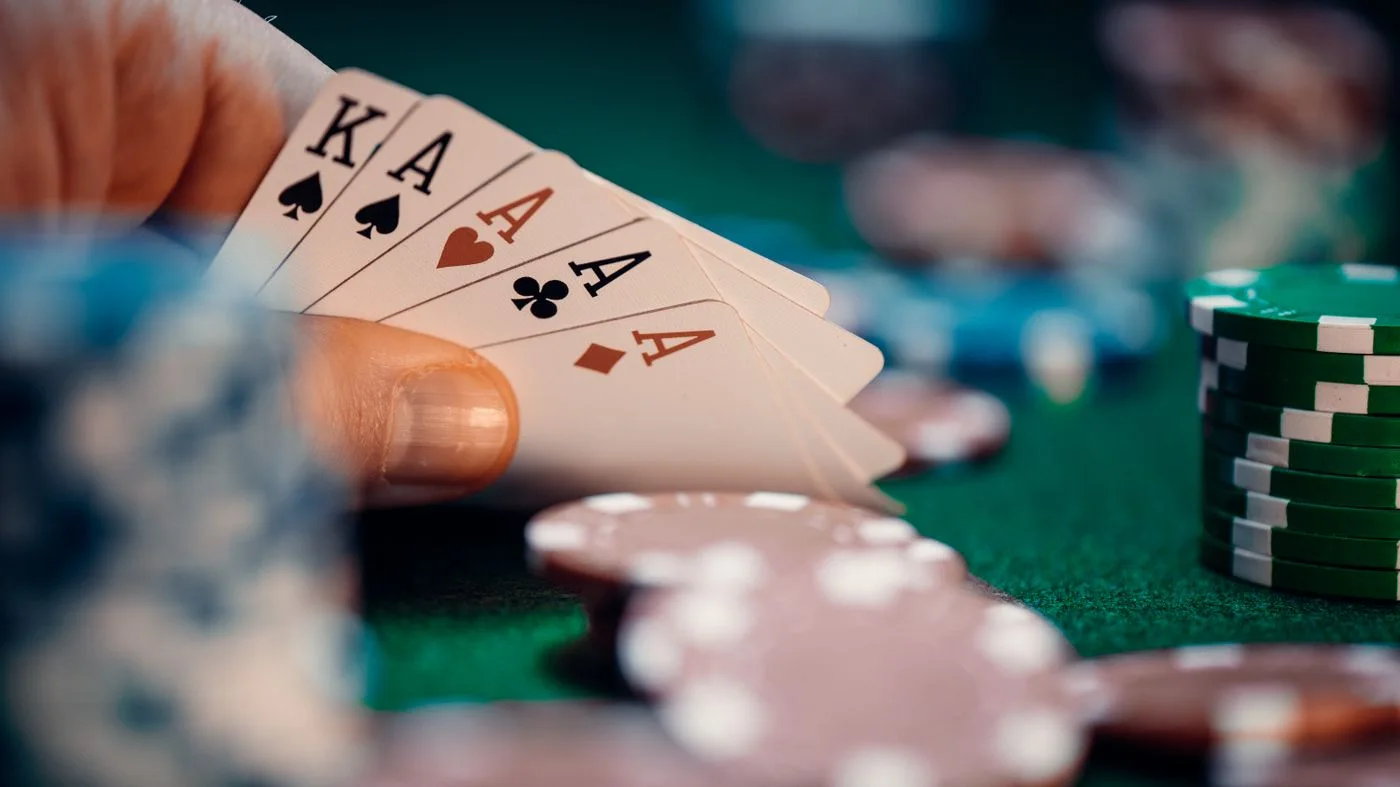
Identify the best five-card hand first, then consider what changed on the board; confidence about a hand is not proof it will win.
Begin with the five cards that count
Texas Hold’em can look familiar after a few televised hands, yet small misunderstandings can be expensive. The central task at showdown is to identify the best five-card poker hand available from your two private cards and the five community cards. You may use both private cards, one, or neither. The sixth and seventh cards do not become extra tie-breakers after the best five have been established.
The official PokerStars Hold’em rules explain the underlying game structure. A room’s specific rules still govern betting procedures, time limits and unusual situations. Learning the basic mechanics away from a real-money game is a sensible first step. It lets you focus on reading cards without simultaneously deciding whether a cash stake is affordable.
Follow the board through the betting rounds
After the initial private cards, the flop presents three community cards, the turn adds one and the river adds the fifth. Betting takes place before the flop and after each of those stages. The dealer button and forced blinds organize the action, although the exact available bet sizes depend on whether the table is fixed limit, pot limit or no limit. Check the lobby label before joining.
As an observation exercise, pause after each new community card and name what changed. Did a third card of the same suit arrive? Did the board pair? Did a sequence become possible? This is more useful than staring only at your original two cards. The exercise describes available hand patterns; it does not tell you which cards another player actually holds.
Work through a kicker example slowly
Imagine you hold ace-queen and another player holds ace-jack. On a board of ace, nine, seven, four and two, with no flush available, both players have a pair of aces. Your best five cards are ace, ace, queen, nine and seven. The other hand contains ace, ace, jack, nine and seven. The queen settles the comparison. Listing all five cards prevents an imprecise statement such as both players have an ace, so it is a tie.
Now change the board to ace, king, queen, jack and ten, again excluding a flush. The board itself forms an ace-high straight. If neither player can make a stronger hand, both use that same straight and share the pot under the room’s split-pot rules. A private pair does not beat a straight merely because it belongs to one player.

Recognize strength and vulnerability together
A pair, two pair or a set has meaning only alongside the board and the possible stronger hands. Suppose your private cards are two nines and the flop includes one nine. You have three of a kind, but future cards can still change the winning hand. A later card might complete a flush possibility, create a straight possibility or pair the board. Describing the current hand accurately is a better habit than treating a strong flop as a guaranteed result.
Keep certainty in proportion to the evidence. You can know your cards and the visible board. You cannot know an opponent’s hidden cards simply from a confident bet or an animated avatar. Hand reading means considering plausible possibilities and updating them with information; it does not mean assigning one exact hand and forgetting every alternative.
Separate poker decisions from interface mistakes
Before using a casino’s peer-to-peer poker room, learn where the client displays the pot, current bet, stack sizes and action buttons. Check whether a bet slider shows the additional amount you are placing or the total bet. Learn how preselected actions behave when another player raises. These details can vary, and a familiar visual design does not guarantee identical behavior.
A useful non-cash practice routine is to identify your five-card hand, state the amount required to call and confirm which button produces the action you intend. If the screen is too small to do those things comfortably, change the layout or device. Speed is not the priority. Do not add more tables to compensate for uncertainty about the first one.
Use a short board-reading checklist
- Name your current five-card hand, including relevant kickers.
- Identify possible straights, flushes and full houses on the visible board.
- Check whether the latest card changed those possibilities.
- Read the pot, amount to call and remaining stacks before acting.
- Distinguish known cards from assumptions about opponents.
- Confirm that the action fits the amount you planned to risk.
Take a saved example and repeat the exercise after the session, if the room allows access to your own hand histories. Reviewing one confusing hand carefully is more useful than collecting dozens without understanding them. Follow the room’s software rules during any review. Some analysis tools are prohibited while the poker client is open, even when they have legitimate uses for separate study.
Choose a learning environment, not a profit promise
For affiliate comparisons, prioritize a clear rules library, readable tables, suitable low-stakes options and accessible account limits. A beginner-friendly label should be supported by these observable features. It should not imply that other players are easy to beat or that learning the rules makes real-money play safe. Casino video poker and house-banked poker variants also need separate guides; their familiar card names do not make them the same game.
If an article recommends a paid tool or training product, ask what it teaches, whether sample lessons are available and whether the room permits its intended use. The PokerStars tools policy provides one operator’s boundaries. Study can be worthwhile as an intellectual activity, but it should not become a reason to increase a gambling budget or expect dependable earnings.
Frequently asked questions
Must I use both private cards in Texas Hold’em?
No. Your best five-card hand may use both, one or neither of your private cards. This differs from standard Omaha, where exactly two private cards must be used.
Does reading the board reveal an opponent’s hand?
No. It identifies possible hand patterns and changes in visible information. An opponent’s exact private cards remain unknown unless revealed.
Sources & further reading
Primary and authoritative references used for this guide. Checked 7 September 2026. Rules and availability can change; consult the relevant live source.
- PokerStars: Texas Hold’em rules ↗
- PokerStars: hand questions and kickers ↗
- PokerStars: permitted and prohibited tools ↗
Photography: cover source and article source, via Pexels.